- October 12, 2026
- 0 comments
- 25 Views
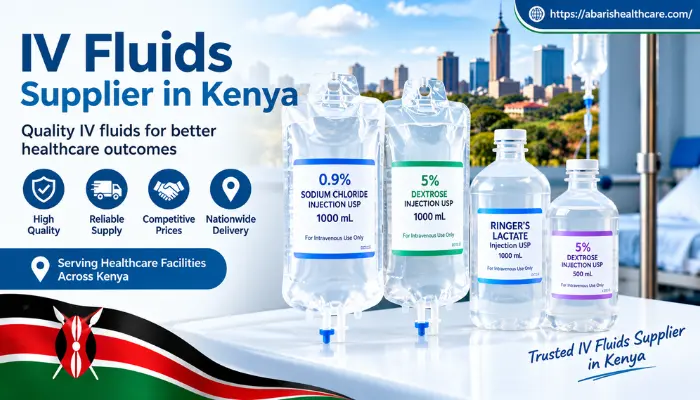
Choosing an IV fluids supplier in Kenya requires evaluating product availability, quality standards, and distribution reliability for dependable clinical care.
Sourcing intravenous solutions from a reliable IV fluids supplier in Kenya ensures hospitals and clinics maintain consistent inventory for patient care. Facilities across Nairobi, Mombasa, and regional centres depend on essential parenterals like normal saline, dextrose, and Ringer’s lactate to support daily clinical procedures.
Abaris Healthcare offers high-quality intravenous formulations, supporting healthcare buyers with proper documentation, packaging integrity, and steady supply arrangements. Contact Abaris Healthcare today to confirm product availability, delivery timelines, and streamline your medical procurement.
What Healthcare Buyers Should Know About an IV Fluids Supplier in Kenya
Kenya’s healthcare sector serves a wide range of facilities, from major hospitals in Nairobi and Mombasa to county hospitals, smaller clinics, and regional medical centres. Each facility may have different procurement requirements depending on its services, patient volumes, and storage capacity.
When evaluating an IV fluids supplier in Kenya, procurement teams should consider the following factors:
- Product range: Check whether the supplier offers required intravenous solutions such as sodium chloride, dextrose, and Ringer’s lactate in appropriate formulations and volumes ranging from 100ml to 1000ml.
- Quality assurance: Verify applicable manufacturing standards, product registrations, and supporting quality documentation before placing orders.
- Packaging specifications: Confirm container sizes, labelling, batch identification, and clear expiry information to protect product integrity.
- Distribution arrangements: Understand delivery timelines, order quantities, and the supplier’s ability to support recurring institutional orders.
These checks help buyers assess suppliers based on practical procurement needs rather than price alone.
Common Types of IV Fluids Used in Healthcare Facilities
Different intravenous solutions serve distinct clinical purposes based on patient evaluation and medical requirements.
Common categories include:
- Normal Saline: Sodium chloride 0.9% solution used for targeted fluid replacement.
- Dextrose Solutions: Formulations containing specified glucose concentrations for therapeutic care.
- Ringer’s Lactate: Solution containing balanced electrolytes for complex clinical needs.
- Other Solutions: Multi-electrolyte infusions or mannitol tailored for specific protocols.
Hospitals should always verify precise formulations, concentrations, container sizes (100ml to 1000ml), and approved uses before ordering. Confirm exact product availability directly with your supplier prior to finalizing purchases.
Improving IV Fluid Procurement and Inventory Planning
Effective inventory management balances availability with storage capacity while selecting a reliable IV fluids supplier in Kenya. Overstocking ties up capital, whereas stockouts severely disrupt patient care across medical facilities.
Hospitals and distributors can strengthen supply chain efficiency through key practices:
- Maintaining updated stock records with continuous expiry monitoring.
- Reviewing supplier lead times before scheduling repeat orders.
- Confirming minimum order quantities and delivery terms upfront.
- Keeping procurement documentation organized for precise audit tracking.
Facilities must establish clear procedures for inspecting incoming shipments before entering inventory, accounting for seasonal demand fluctuations and departmental needs.
Quick Answer :
What should buyers look for when selecting an IV fluids supplier in Kenya?
Healthcare buyers should assess product availability, applicable regulatory compliance, quality documentation, packaging integrity, storage and transportation practices, delivery timelines, and order flexibility. Comparing these operational factors alongside pricing helps hospitals, clinics, and pharmaceutical distributors identify reliable supply partners.
Working With Abaris Healthcare
Abaris Healthcare provides clear information about its pharmaceutical product portfolio and IV fluid supply offerings for the Kenyan market. Healthcare buyers can engage in direct supplier discussions to clarify available formulations, packaging options, regulatory documentation, and order requirements.
Before committing to a purchase, confirm current product availability, delivery coverage, applicable regulatory requirements, and commercial terms directly with the team. Requirements may vary according to the product line and the purchasing organization.
For healthcare facilities and pharmaceutical distributors, clear communication between procurement teams and suppliers supports better purchasing decisions and organized replenishment planning.
FAQs
Which IV fluids are commonly procured by Kenyan hospitals?
Commonly procured options include sodium chloride 0.9% (normal saline), dextrose solutions, Ringer’s lactate, and multi-electrolyte infusions depending on clinical requirements.
What documents should buyers request from an IV fluids supplier in Kenya?
Buyers should request applicable product registration details, quality certificates, batch traceability, expiry details, and relevant manufacturing credentials required by Kenyan regulatory bodies.
Why is supplier reliability important for IV fluid procurement?
Consistent supply planning, transparent delivery arrangements, and proper product handling help healthcare facilities manage inventory effectively and prevent costly supply chain disruptions.
Plan Your IV Fluid Procurement
Looking for a suitable IV fluids supplier in Kenya for your healthcare organization? Contact Abaris Healthcare today to inquire about available product lines, required formulations, packaging sizes, and global distribution terms. Establish a reliable partnership to streamline your institutional purchasing and secure high-quality intravenous solutions. Get in touch with our team now to confirm delivery timelines and finalize your procurement plan!