- October 12, 2026
- 0 comments
- 16 Views
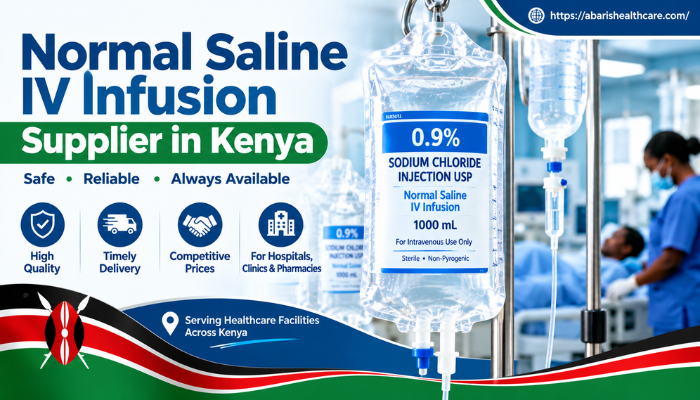
Normal saline IV infusion Kenya procurement requires careful evaluation of formulation, packaging, documentation, and specific market needs. Normal saline is a commonly used intravenous solution in healthcare settings, making product quality, availability, and appropriate handling important considerations for medical procurement teams. Hospitals, clinics, and pharmaceutical distributors in Kenya need to understand its specifications and sourcing requirements to support organized purchasing and inventory management. Knowing what to check before placing an order can help buyers make informed supply decisions with Abaris Healthcare.
Understanding Normal Saline IV Infusion Kenya Requirements
Understanding Normal saline IV infusion Kenya requirements is essential for healthcare facilities managing clinical inventories. Normal saline is a sterile solution containing 0.9% sodium chloride in water, supplying sodium and chloride electrolytes intravenously under professional medical supervision.
Healthcare facilities across Nairobi, Mombasa, Kisumu, and Nakuru have distinct purchasing requirements based on facility size and patient volume. Procurement teams must evaluate product specifications, packaging, expected demand, and delivery schedules prior to selecting a supplier. Because normal saline is not suitable for every patient, administration volume and dosage must always be determined by qualified healthcare professionals.
Common Uses of Normal Saline in Healthcare
Normal saline has several established uses in clinical practice. Its exact application depends on the formulation, route of administration, and medical indication.
Common uses include:
- Fluid replacement: It may be administered to help replace extracellular fluid in selected cases of fluid loss.
- Electrolyte support: It provides sodium and chloride when clinically indicated.
- Intravenous medication administration: Certain medicines may be diluted or administered using compatible saline solutions according to product instructions.
- Clinical procedures: It may be used in specific healthcare procedures where sterile saline is indicated.
These uses require appropriate clinical assessment. Normal saline is not a universal treatment for dehydration or electrolyte disturbances, and unnecessary administration can cause complications in some patients.
Product Specifications and Packaging Considerations
When purchasing normal saline, healthcare buyers should verify the product’s exact specifications rather than relying on the product name alone.
Important details include the sodium chloride concentration, sterile formulation, container volume, packaging integrity, batch number, manufacturing information, and expiry date. Common presentations may include 100 ml, 250 ml, 500 ml, and 1,000 ml containers, depending on the manufacturer’s portfolio and market availability.
The container must be appropriate for its intended use and compatible with the relevant administration equipment. Buyers should also confirm labelling requirements and ensure that the product received matches the approved purchase order. Before accepting a shipment, staff should inspect packaging for leaks or damage. Any questionable product should be handled according to facility quality procedures.
Choosing a Reliable Supplier in Kenya
Selecting a supplier involves assessing regulatory compliance, documentation, and supply consistency beyond unit prices.
When evaluating suppliers, procurement teams should check:
- Applicable product registration and WHO-GMP quality credentials.
- Product availability, minimum order quantities, and lead times.
- Batch traceability, expiry details, and shipment documentation.
Kenyan buyers sourcing Normal saline IV infusion Kenya must verify compliance with the Pharmacy and Poisons Board for specific products. Abaris Healthcare provides clear product details and reliable supply arrangements for the Kenyan market, allowing buyers to confirm availability, packaging, and delivery terms before ordering.
Quick Answer :
What should buyers check when sourcing normal saline in Kenya?
Buyers should confirm the 0.9% sodium chloride concentration, sterile formulation, container volume, product registration, quality documentation, expiry date, packaging integrity, and delivery conditions. They should also verify current availability and applicable regulatory requirements before placing an order.
Storage and Inventory Planning for Healthcare Facilities
Proper storage and inventory management help healthcare facilities maintain product quality and organise procurement. Normal saline should be stored according to manufacturer instructions, including any stated temperature and handling requirements.
Hospitals and distributors can improve stock management by monitoring usage, recording batch numbers, checking expiry dates, and establishing reorder points based on demand and delivery lead times. Facilities serving multiple departments should coordinate purchasing with actual consumption patterns to reduce avoidable shortages and expired stock.
Receiving procedures should also include shipment checks and documentation review. These steps help procurement teams identify discrepancies early and maintain accurate inventory records.
FAQs
What is normal saline IV infusion?
Normal saline is a sterile 0.9% sodium chloride solution used intravenously for specific clinical purposes under professional supervision.
Which container sizes are available in Kenya?
Availability varies by supplier and product. Buyers should confirm current options, which may include 100 ml, 250 ml, 500 ml, and 1,000 ml presentations.
How should hospitals assess normal saline suppliers?
Hospitals should review regulatory compliance, product documentation, packaging quality, expiry information, delivery arrangements, and supply consistency.
Enquire About Normal Saline Supply
For healthcare facilities and pharmaceutical distributors seeking Normal saline IV infusion Kenya, Abaris Healthcare offers a point of contact for product and supply enquiries. Learn more about available product specifications, packaging options, documentation, and ordering requirements. Contact the team to discuss your procurement needs and confirm current availability and delivery arrangements.